On the rain-fed fields of southern Russia the fate of a harvest is set not by a bag of nitrate but by the millimetres of moisture stored in the soil by spring. Fertilizer put into dry ground is money handed over to the drought for safekeeping. To understand this is to stop feeding the soil and start feeding the plant.
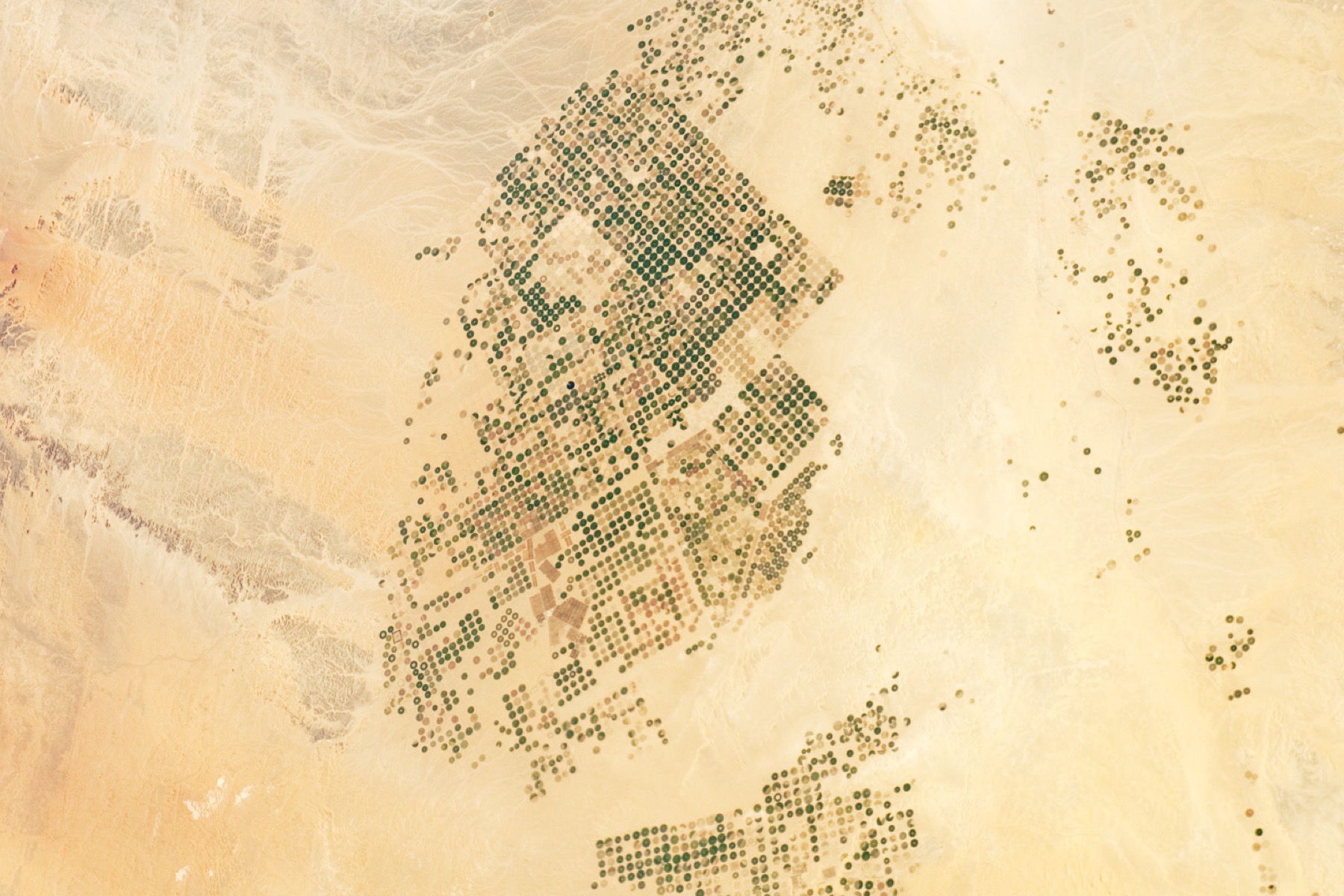
Dryland farming, that is, farming without irrigation, depends entirely on what the sky and the soil provide. In southern Russia this is how the region’s main crops are grown: winter wheat, sunflower, rapeseed. And here a rule applies that contradicts the usual logic of “more fertilizer, more yield”: in an arid zone the first limiting factor is almost always water, not nutrition.
The logic is simple and hard. To take up nitrogen a plant needs moisture: nutrients are absorbed by the root only in dissolved form. In dry soil fertilizer lies as dead weight, the roots can’t reach it, mineralization is slowed, and part of the nitrogen is lost for good. Applying a lot of nitrogen in a dry year doesn’t raise the yield, it raises costs for nothing. The effect of top-dressing is realized only when there’s water underneath it.
The law of the minimum on a southern field
An agronomic classic, the law of the minimum, states: yield is limited by whichever resource is scarcest, and adding the others is pointless until the main deficit is removed. On an irrigated field or in a wet zone that minimum is often nitrogen, hence the habit of counting yield through fertilizer. On southern dryland the minimum shifts: most often it’s water.
This changes the whole sequence of decisions. First you look at how much moisture is in the soil. And only then do you count how much nutrition that moisture can “work off”. On dryland the fertilizer rate is better derived from the moisture reserve than from a planned yield on paper. Otherwise the farm fertilizes not the plant but its own expectations.
On irrigation the question is “how much nitrogen to apply”. On southern dryland the right first question is different: “how much water do I have, and what will it pull”. Everything else is derived from the answer.
Overwintering and the spring moisture reserve
For winter wheat, the south’s main crop, the year is decided twice: in autumn and in early spring. In autumn what matters is the soil the crop went into and how it developed before the cold. In winter what matters is the crop’s state under the snow and after the melt: where it overwintered well, and where it froze out, drowned or scorched. By spring the key figure becomes the store of productive moisture in the root zone: it’s this that sets the yield ceiling before the field even starts to green up.
If there’s little moisture in the metre-deep layer, no top-dressing will raise that ceiling, it will only raise costs. If there’s enough moisture, nitrogen really will work, and then top-dressing is justified. So a sound spring strategy on dryland begins not with a fertilizer rate but with two questions: how did the field overwinter and how much water is in it.
Where the satellite comes in
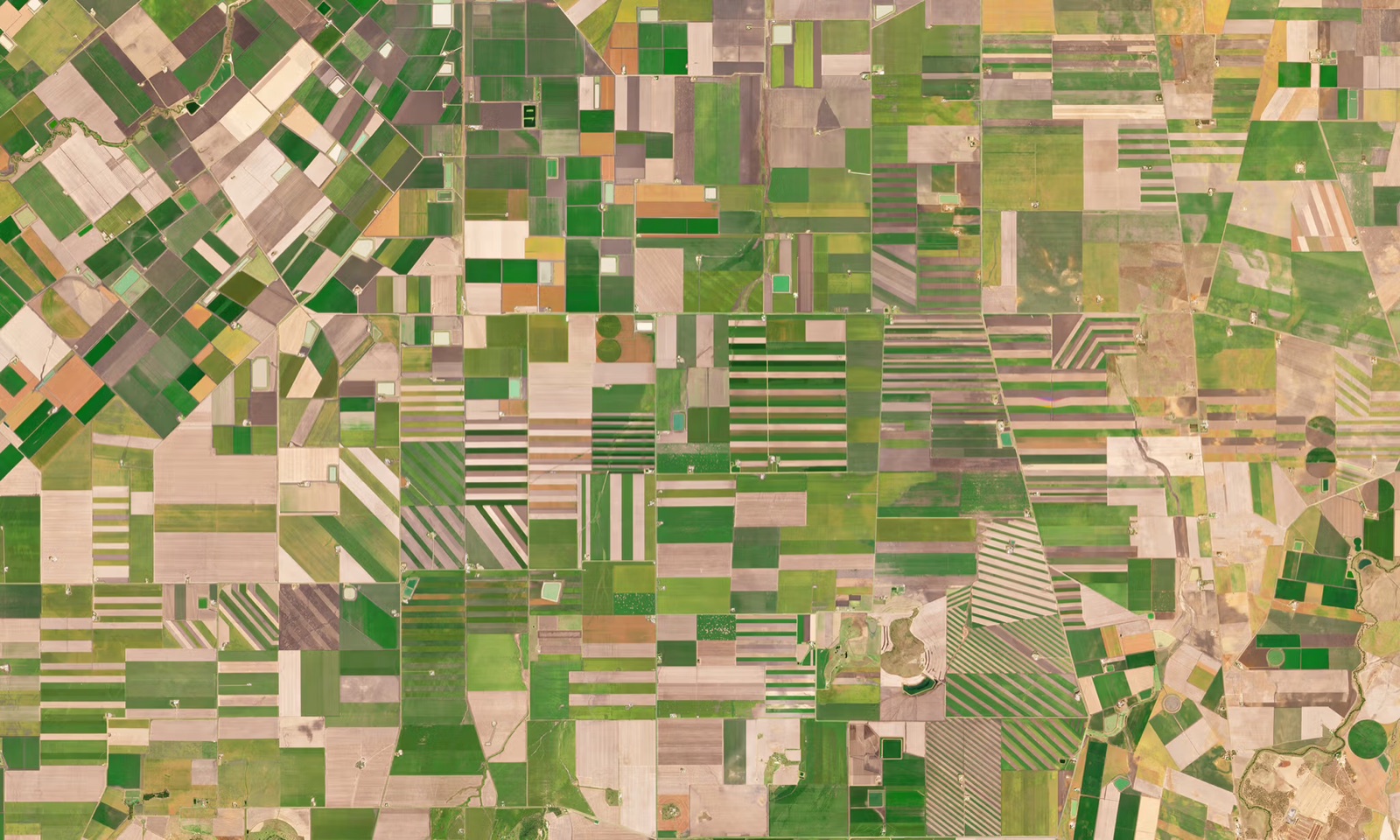
Neither overwintering nor the moisture reserve can be judged by eye on a single field, let alone across hundreds of hectares. This is where the capabilities of remote monitoring converge.
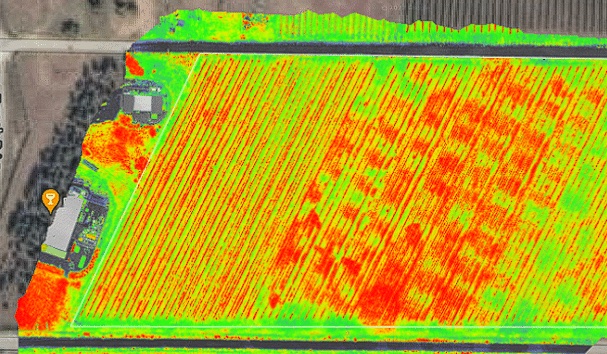
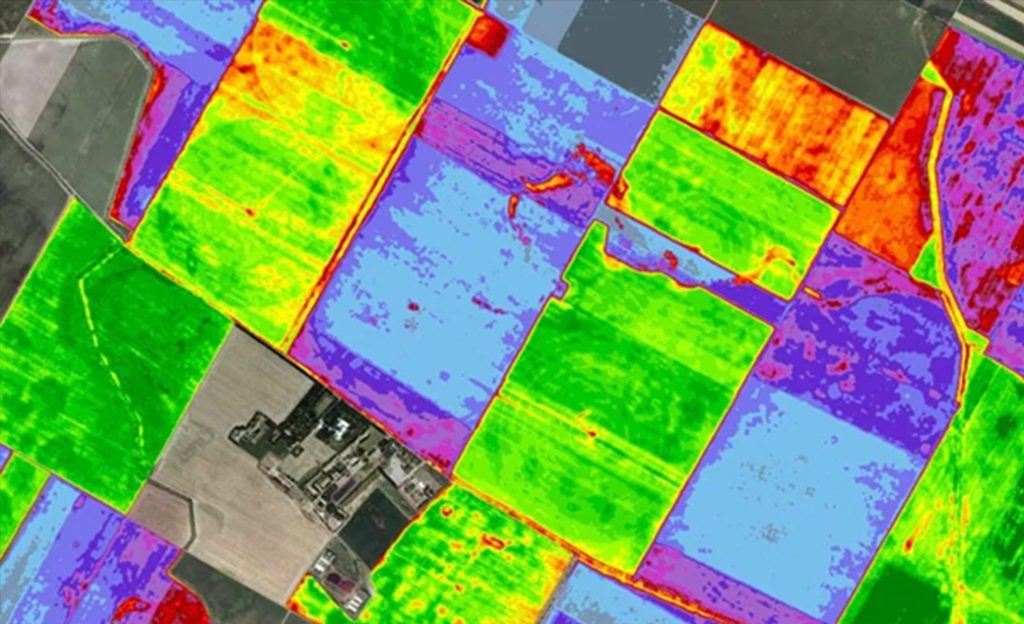
Overwintering. By comparing the crop’s state in autumn and after the snow melts, we produce a differentiated map: where the winter crop came out of winter strong, and where there’s thinning and loss that calls for a decision, that is, reseeding, repair, adjusted care.
Moisture regime. Radar imaging is sensitive to moisture and works all-weather, through cloud and in the off-season when weather hampers optical. It gives a picture of wetting and the dynamics of soil drying across the area, not at a single weather-station point.
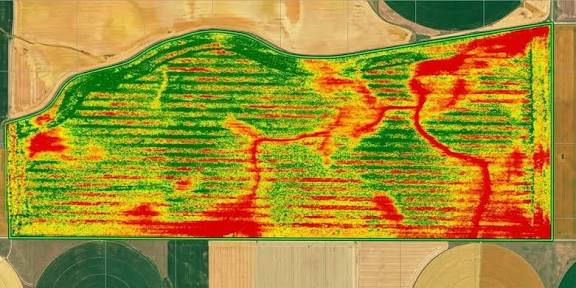
Canopy development and stress. Multispectral and hyperspectral analysis show how the crop builds biomass and where water stress switches on early, that is, where moisture is already running out even though the field still looks normal.
Brought together, these layers answer dryland’s main question not with intuition but with data: on which fields it’s worth investing in top-dressing in spring, because there’s water beneath it, and on which it’s wiser to hold the spend.
What it gives the farm
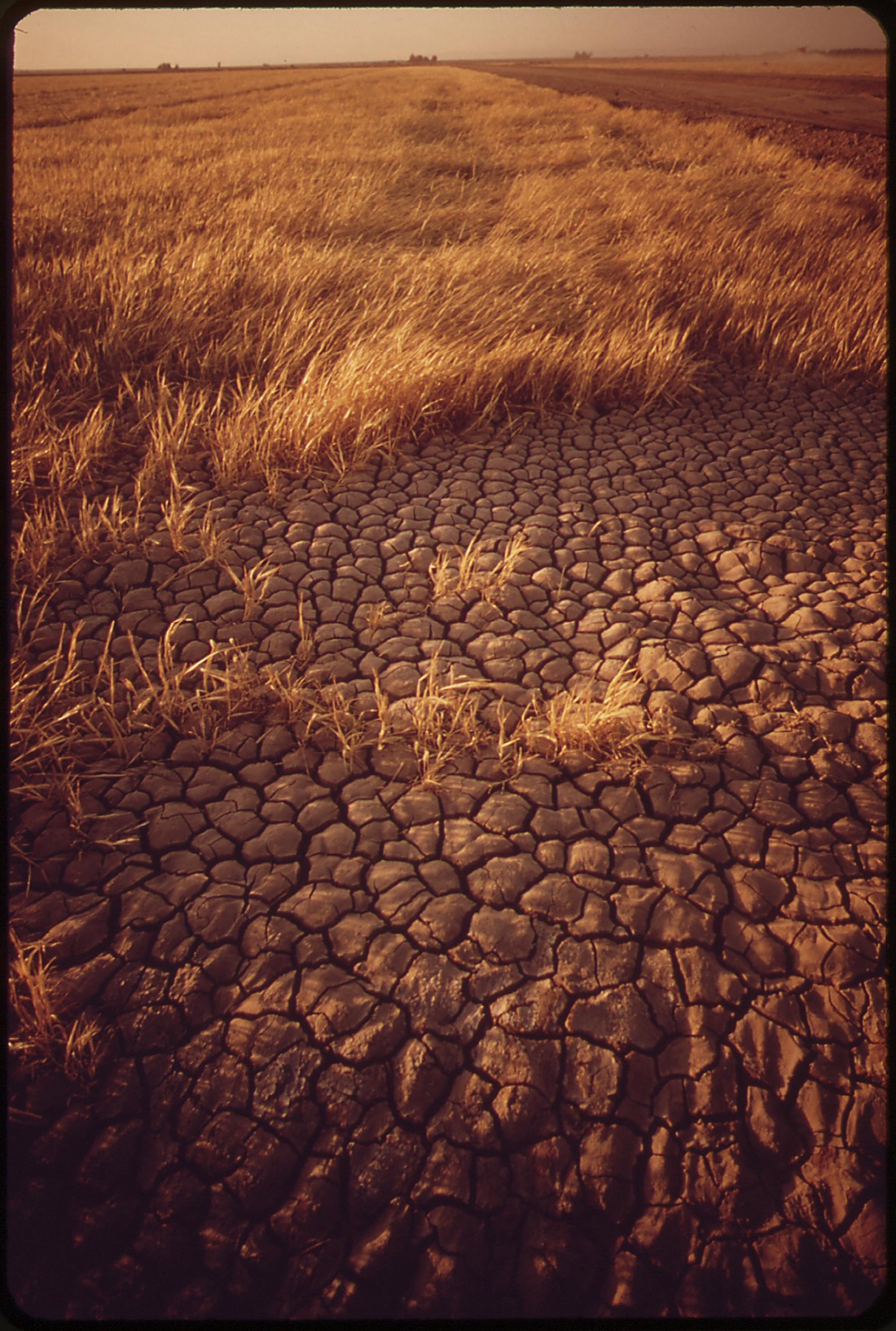
Recognizing that on dryland water decides the yield saves a farm real money and removes real risk. Fertilizer stops being applied “blind to a plan” and is tied to what the soil can give back. In a dry year this spares the farm needless spending on nutrition that won’t work anyway; in a wet year, conversely, it helps not to miss the potential of a field where there’s enough water and top-dressing will pay off.
In practice this turns season planning around. Top-dressing decisions rest on the spring moisture reserve and the quality of overwintering, not on last year’s habit. Spending concentrates on the fields where it will return. And the year-by-year history of moisture and crop condition becomes the basis for choosing crops and rotation for the real climate of the south, where water was and remains the main agronomic capital.