Articles
Satellite data in plain language
Radar, multispectral and hyperspectral without jargon. What's visible from space, what the eye misses and which decisions it changes in the field.
-
 Basics
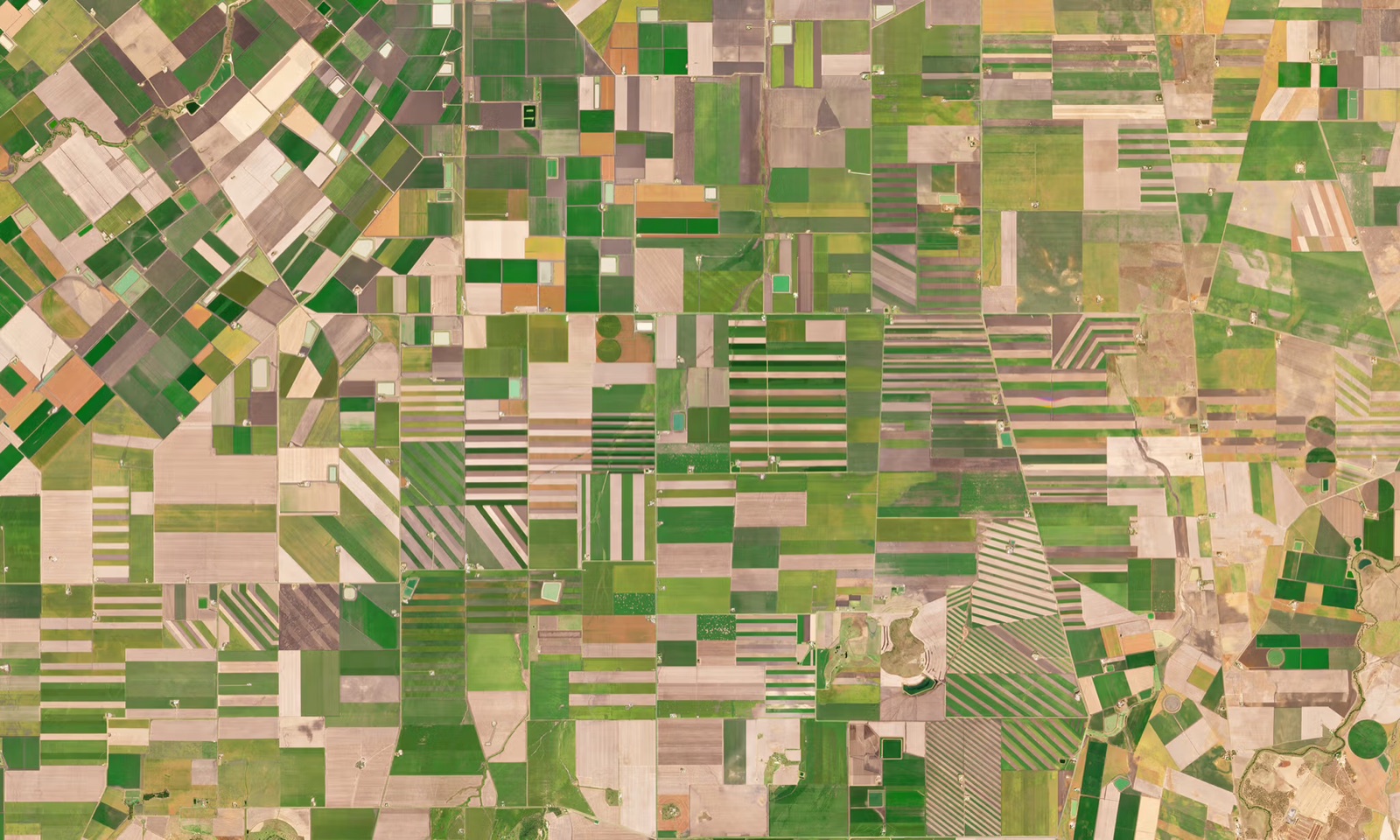
 What a satellite sees in a field that the eye misses
The human eye reads a field as “green” or “not so green”. A satellite sees dozens of shades of condition that only become visible to the agronomist two or three weeks later, when it's already too late to act.…
Read -
 Radar
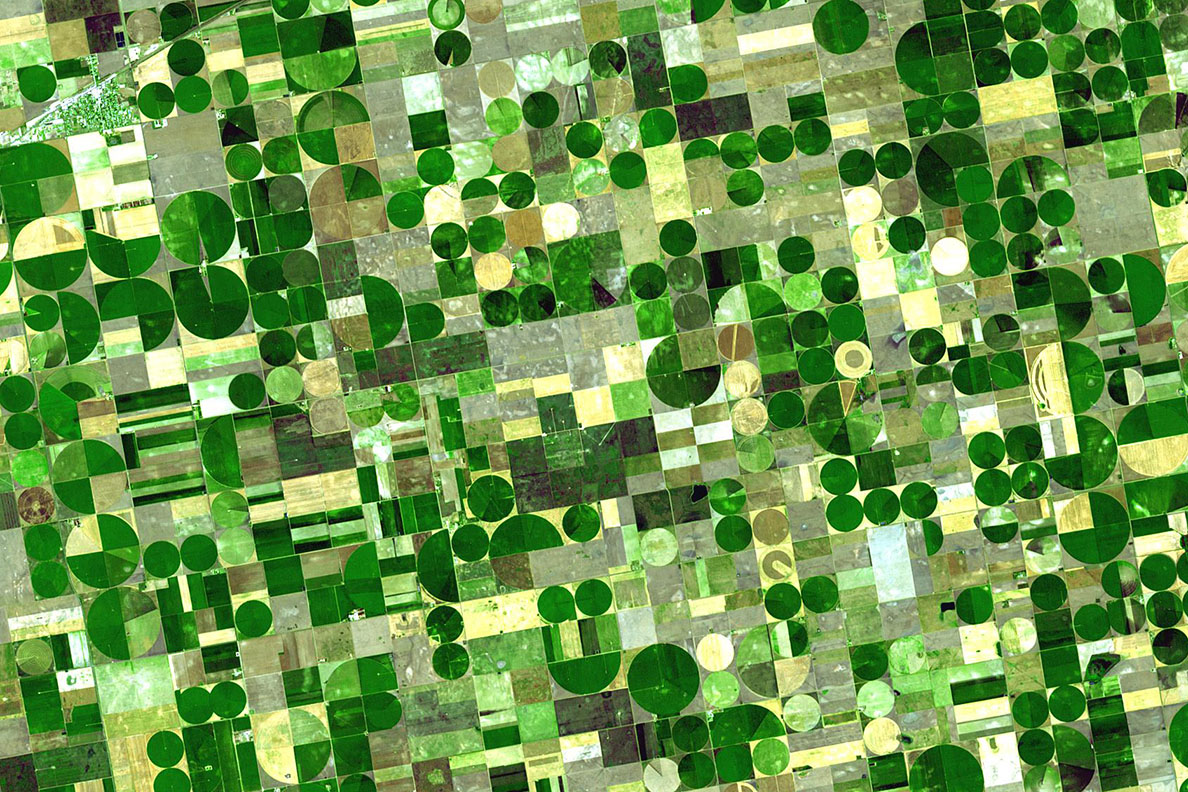
Radar Radar through clouds: the field under watch in any weather
The most critical weeks of the season (sowing, grain fill, harvest) too often coincide with heavy cloud. On those days an optical satellite is blind. Radar sees. Here's how all-weather imaging…
Read -
 Hyperspectral
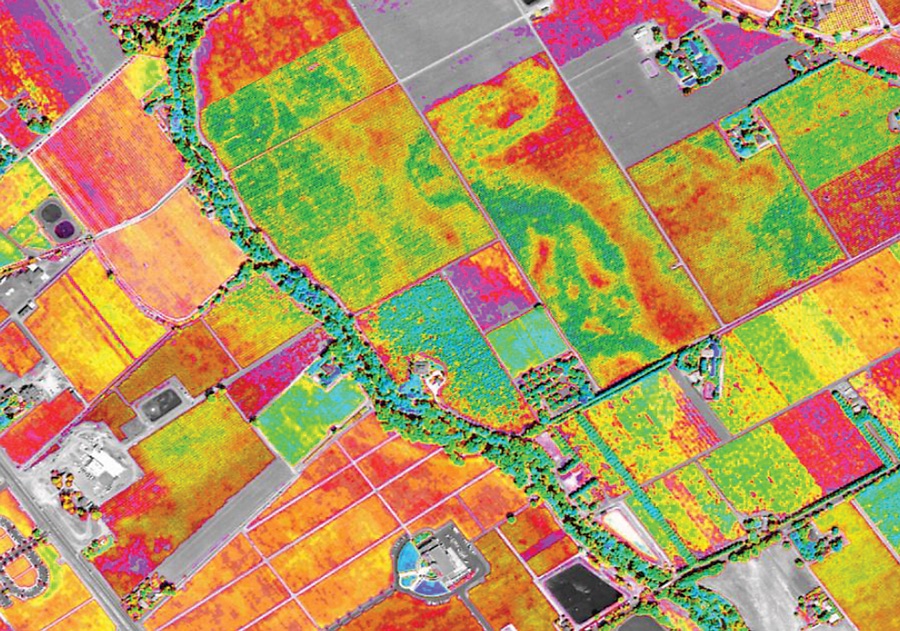
 Hyperspectral: a chemical portrait of the plant from space
An ordinary satellite image sees that a field is green. Hyperspectral imaging sees *why* it's green, and where the green already masks trouble that's begun. It's the difference between a photograph and…
Read -
 Forecast
 How accurate is a yield forecast: from one index to a calibrated stack
A single vegetation index explains part of the yield variance, but far from all of it. We unpack why a calibrated stack of several sources plus ground data raises accuracy, and where the forecast's honest limit is.
Read -
 Dryland
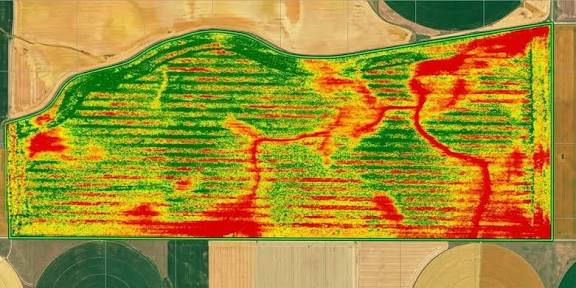
 Southern dryland: why yield is decided by water, not fertilizer
On the rain-fed fields of southern Russia the fate of a harvest is set not by a bag of nitrate but by the millimetres of moisture stored in the soil by spring. Fertilizer put into dry ground is money handed over…
Read -
 Sovereign data
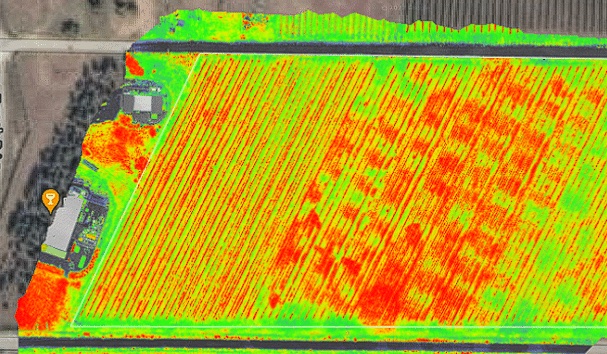
 Sovereign data for the field: what high-resolution imagery gives
When a decision about thousands of hectares is made from someone else's week-old image, the question is no longer only about its accuracy. It's about how closely you can even examine your own field, and whether you can cite that frame.…
Read -
 Decisions
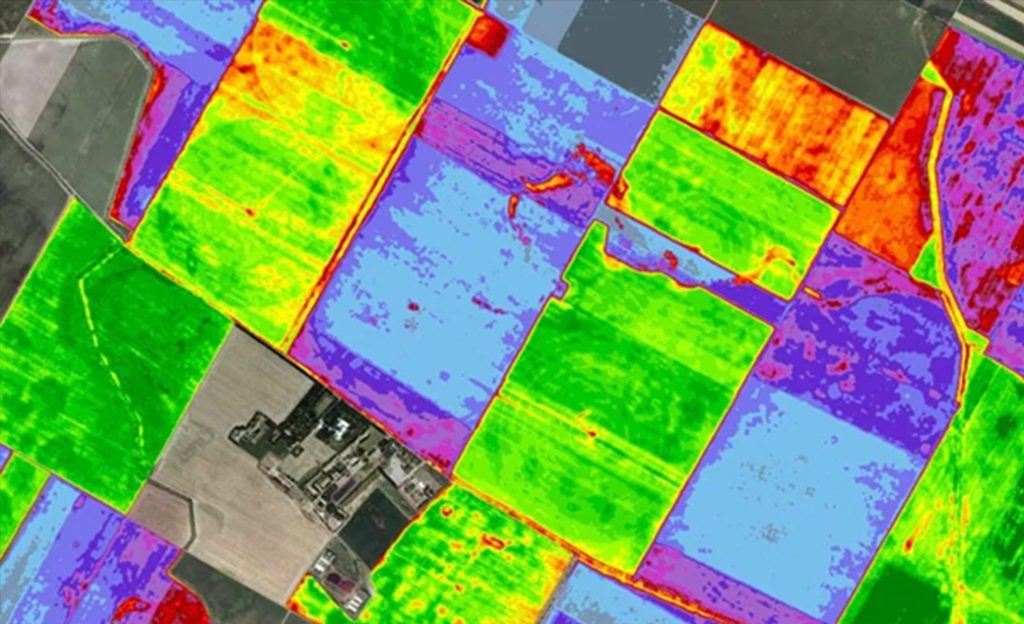
 From image to decision: where to spend nitrogen and where to drive
An image of a field saves no money on its own. What saves money is the decision that follows from it: not pouring nitrogen where it's no longer needed, and not driving a hundred hectares for one problem hollow.…
Read